 English

Description
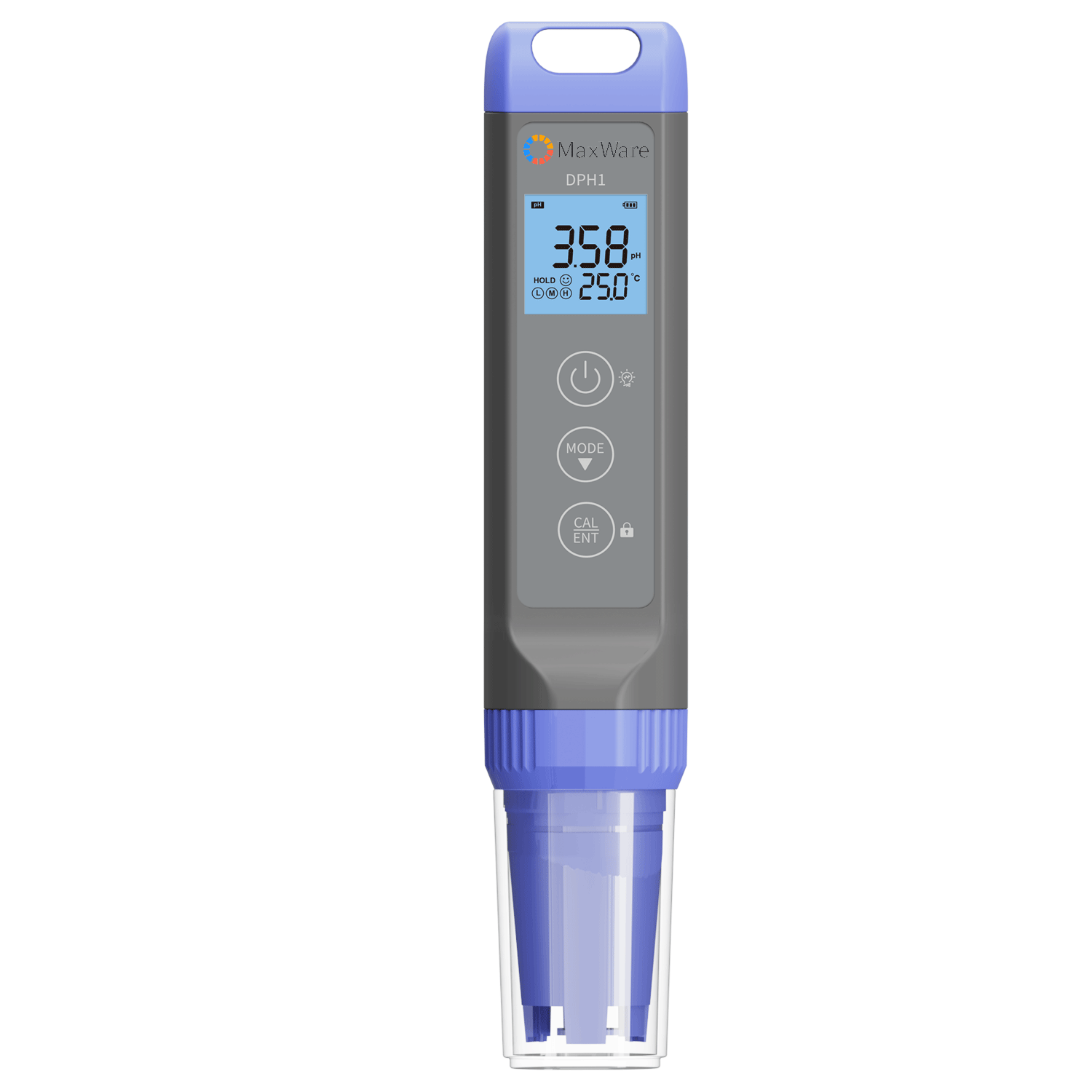
A pocket tester is a compact, handheld diagnostic device designed for rapid, on-site measurements across various technical fields. They are defined by their portability (often small enough to fit in a pocket or clip to a belt) and their ability to provide instant, real-time results without the need for large laboratory equipment.
Key Features and Capabilities
- Portability & Design: These devices are lightweight and typically battery-operated, featuring robust housing suitable for field use, with many models boasting IP67 waterproofing.
- Rapid Diagnostics: They allow for immediate, spot-testing without complex sample preparation, often requiring only a single drop of a sample to provide a reading.
- Digital Accuracy: Despite their size, they provide high-accuracy, digital readouts with features such as automatic calibration, data holding, and automatic temperature compensation (ATC).
- Replaceable Probes: Many modern pocket testers feature replaceable sensors or probes, extending the life of the instrument.
Common Types and Technical Parameters
Pocket testers are widely used to measure electrochemical parameters, particularly in water analysis:
- pH Testers: Measure the acidity or alkalinity of liquids, with specialized models for flat surfaces, soil, or semi-solids.
- Conductivity/TDS/Salinity Testers: Measure Total Dissolved Solids (TDS), salinity, and conductivity to assess water purity, essential in aquaculture and hydroponics.
- ORP/Redox Testers: Measure Oxidation-Reduction Potential to determine the disinfection ability of water.
- Multi-Parameter Meters: Some models combine multiple sensors into one device to measure pH, Conductivity, TDS, and Temperature simultaneously.


Reviews
There are no reviews yet.